
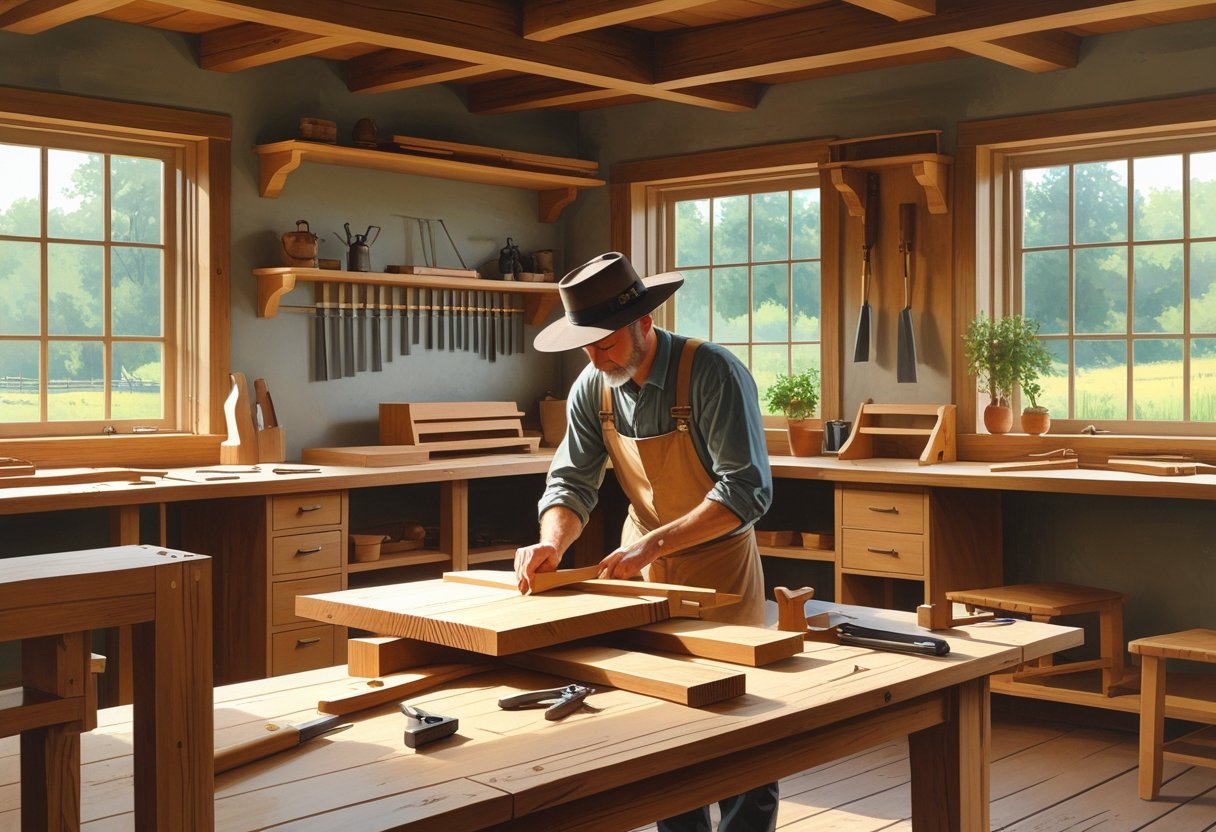
Amish Furniture Construction Techniques and Quality for Timeless Craftsmanship
Posted by Mission Motif on Dec 30th 2025
Amish furniture is more than well-made—it’s a lasting expression of American craftsmanship. Each piece is built from solid hardwood using traditional joinery methods and hand-finished detailing that ensures strength and elegance. This commitment to craftsmanship results in furniture designed not just for your home today, but for generations to come.
At The Mission Motif, we admire how Amish makers honor the same values found in the Arts & Crafts movement—simplicity, integrity, and quality. Their construction methods produce pieces that stand apart from mass-produced furniture, combining classic design with enduring performance.
This guide explores the construction techniques, materials, and finishing processes that make Amish furniture an heirloom-quality investment for your home.
Core Principles of Amish Furniture Construction
Amish furniture is built on strong values that ensure each piece is carefully made, long-lasting, and rooted in tradition. These techniques center on handcraftsmanship, durability, and skills handed down through families.
The Arts & Crafts Legacy in Amish Furniture
The foundation of Amish craftsmanship aligns closely with the American Arts & Crafts movement.
Smithsonian Magazine notes that this design philosophy celebrates simplicity, functionality, and honest workmanship—values deeply rooted in Amish traditions. By emphasizing natural materials and handcrafting, Amish furniture continues this legacy, turning everyday items into works of enduring beauty.
Emphasis on Traditional Craftsmanship
When you choose Amish furniture, you receive more than just an object. Craftsmen shape each piece with hand tools like planes, chisels, and saws, allowing for exact shaping and smooth finishes that machines cannot match.
Joinery methods such as mortise-and-tenon joints replace nails or screws, creating sturdy connections that hold the furniture together for generations. Every step is done by skilled hands, giving your furniture a refined appearance and a tactile quality you can feel.
Commitment to Longevity and Durability
Amish makers select only solid hardwood, such as cherry, maple, or oak. They dry and condition the wood carefully to prevent warping or cracking after years of use.
They design furniture to allow for natural wood movement without losing strength or shape. Each piece features a strong frame and supports that keep furniture stable through daily wear.
Generational Knowledge and Skills
Amish woodworking is a family tradition. Skills pass from parents to children, starting at a young age, creating a depth of knowledge not found elsewhere.
Each craftsman brings decades of experience, understanding wood behavior, choosing the right tools, and solving complex challenges in furniture making. This generational learning shapes furniture that reflects Amish values—simplicity, function, and beauty—refined over centuries.
Selection of Materials
Choosing the right materials is essential to creating furniture that lasts and embodies true quality. The wood you select determines strength, appearance, and durability. Preparation and sourcing play key roles in ensuring your furniture serves you well for years.
Solid Hardwood Choices
Amish furniture is typically made from solid hardwoods like oak, cherry, maple, and walnut. These woods are prized for their strength and beautiful grain patterns.
Oak is known for its durability and open grain, fitting well with Mission and Arts & Crafts styles. Cherry offers rich color that deepens with age, while maple is hard and smooth, ideal for fine details.
Using solid hardwoods means each piece is strong and repairable. Unlike veneer or particleboard, these woods can take refinishing and resist wear over decades. Furniture made from these woods is built to become an heirloom rather than a short-term purchase.
Sustainable Sourcing Practices
Amish craftsmen often select wood from local or responsibly managed sources. Freshly cut wood needs time to dry properly, and wood from well-managed forests supports environmental balance. Stable wood is less likely to crack or warp.
The wood undergoes careful inspection to ensure minimal defects. This approach reduces waste and guarantees the material meets high-quality standards. By choosing sustainably sourced hardwood, you support practices that protect forests and enhance your piece's value.
Material Preparation Techniques
Before construction, craftsmen carefully prepare the wood through seasoning and milling. They avoid green wood, which contains high moisture and can shrink or warp. Instead, they dry wood slowly in controlled environments until moisture levels stabilize.
This process, called air or kiln drying, can take months or even years, depending on thickness. Craftsmen then cut and plane the wood to exact specifications, preventing future problems like cracking or loosening joints and ensuring your furniture stays strong and beautiful.
Joinery Methods Used by Amish Craftsmen
Amish furniture is known for its strength and longevity, thanks to careful joinery that does not rely on nails or screws. Each joint fits tightly, often reinforced with glue, creating solid connections that help your furniture last for decades.
Mortise and Tenon Joints
This classic method uses a protruding piece (tenon) that fits into a corresponding cavity (mortise). The precise fit makes the joint strong without extra hardware. Craftsmen use this joint to connect legs to frames or rails to panels.
The tight fit and wood glue ensure your furniture stays sturdy even with regular use. Mortise and tenon joints give your furniture clean lines and maintain its traditional look, matching the Mission and Arts & Crafts styles known for simple, honest construction.
Dovetail Joinery
Dovetail joints are shaped like interlocking puzzle pieces, typically used in drawer construction. They resist pulling apart and add beauty to your furniture with their visible craftsmanship.
Drawers with dovetail joints in Amish furniture slide smoothly and bear heavy loads over many years. This technique reflects precise handwork and attention to detail, hallmarks of made-in-USA quality.
Doweling Techniques
Doweling involves inserting wooden pins into aligned holes on two pieces of wood. This method adds strength and helps hold parts together without metal fasteners.
Craftsmen use dowels in pieces where other joints aren’t practical but still require solid construction. The dowels, combined with glue, offer a tight bond, preventing separation from normal wear.
Doweling supports the clean look of your furniture by hiding the joint inside, maintaining smooth surfaces ideal for Mission style’s graceful simplicity.
Tools and Equipment in Amish Workshops
Amish workshops combine traditional hand tools with selective use of modern equipment. The tools reflect careful choices that preserve craftsmanship while ensuring accuracy and durability in every piece. Craftsmen balance manual skill with efficient machinery, all maintained with care.
Hand Tools Versus Modern Tools
Amish woodworkers rely heavily on hand tools like chisels, hand planes, and saws. These tools let them shape wood precisely and maintain control over fine details in joints and finishes. Using hand tools supports their focus on craftsmanship and the traditional style of furniture.
Some workshops use modern tools such as air-powered sanders and band saws to speed up repetitive tasks without compromising quality. Electric tools that require a power grid are rarely used, respecting the Amish way of life.
Non-Electric Powered Machinery
Many Amish workshops use tools powered by compressed air or foot pedals, including lathes, drills, and sanders. These tools allow consistent work without relying on electricity, helping keep the furniture-building process aligned with tradition.
These machines improve efficiency when shaping or smoothing solid wood, but they don’t replace skilled handwork. By combining muscle power with simple mechanics, Amish craftsmen achieve smooth finishes and strong joinery while preserving the workshop’s quiet and focused environment.
Tool Maintenance and Care
Keeping tools sharp and well-maintained is essential in Amish woodworking. Craftsmen sharpen chisels daily, oil planes regularly, and store tools carefully to prevent rust or damage. Proper care ensures tools last for decades, reflecting the workshop’s value on longevity.
This attention to tool upkeep allows every cut and joint in Amish furniture to be made with precision. It also shows respect for the craft and materials, reinforcing the quality and durability you seek in heirloom furniture.
Finishing Techniques
Amish furniture finishes enhance wood’s natural beauty while ensuring lasting protection. The process includes natural stains and oils, careful hand-rubbed finishes, and protective coatings. Each step strengthens the wood and highlights its grain without masking its character.
Natural Stains and Oils
Amish craftsmen often use natural stains derived from plant extracts and minerals. These stains bring out the wood’s unique grain patterns and deepen color without synthetic chemicals.
Natural oils like linseed or tung oil penetrate the wood to nourish and protect it from moisture. They keep the surface smooth and resist cracking over time. Because these oils soak in rather than sit on top, the finish feels warm and natural to the touch.
Hand-Rubbed Finishes
After staining or oiling, Amish woodworkers carefully apply hand-rubbed finishes. This technique involves gently rubbing the surface with fine abrasives or cloths between coats for a smooth, even texture.
Hand rubbing avoids brush marks and build-up that can hide the details of joinery and wood grain. It also allows for precise control over sheen and depth. The result is a soft glow or subtle satin finish rather than a glossy mask.
Protective Coating Applications
To guard against daily wear, Amish furniture receives protective coatings like natural waxes or clear finishes made from plant-based resins. Waxes add a thin, protective barrier that repels water and dirt.
These coatings are applied carefully to avoid trapping moisture or creating cracks. They complement natural oils and preserve the wood’s breathability.
You can maintain these finishes easily with occasional reapplication, ensuring your furniture looks beautiful and strong for years. The balance of protection and natural feel supports both function and form in your home.
Quality Control and Inspection
Ensuring quality is a key part of Amish furniture construction. Craftsmen pay careful attention to every joint, surface, and finish, including detailed checks and consistent standards to maintain durability and appearance.
Attention to Detail
Every Amish furniture piece is crafted with precision. You’ll notice clean, smooth surfaces and tight joints that fit perfectly. Craftsmen select solid hardwood, avoiding defects like knots or cracks that can weaken the furniture.
This care extends to joinery, where nails and screws are mostly avoided. Instead, strong, traditional joints such as mortise and tenon or dovetails provide reliable strength and add to the furniture’s classic look.
Staining and finishing are handled meticulously. Craftsmen finely sand the wood before applying sealants such as catalyzed conversion varnish. This coating protects against everyday wear and helps the piece keep its rich color for years.
Rigorous Inspection Processes
Amish furniture undergoes multiple inspections before leaving the workshop. Inspectors check for flaws in the wood, construction, and finish. Each part is examined to ensure it meets the strict standards set by the craftsmen.
Inspections occur at several points during production. Early checks catch issues like warping or tight fit problems. Final inspections confirm the smooth texture, consistent stain, and secure joints before pieces are packed for shipping.
This thoroughness is one reason Amish furniture lasts for decades, often becoming family heirlooms.
Ensuring Consistency
Consistency in quality means each piece meets the same high standards every time you order. Amish shops use time-tested methods and skilled hands to produce uniform results. This steadiness ensures your furniture matches the style and durability you expect.
Wood selection plays a big role. Craftsmen use only well-seasoned hardwood to avoid cracking or warping. They rely on established woodworking methods to prevent weak spots or uneven finishes.
Your furniture is crafted to fit your home and style while following precise quality rules. This balance of craftsmanship and consistency guarantees durable, beautiful pieces you can rely on for years.
Comparison With Mass-Produced Furniture
When you consider Amish furniture, you notice clear differences from mass-produced pieces in durability, design, and customization. These aspects affect how your furniture performs and how well it fits your style and home.
Durability and Lifespan Differences
Skilled artisans make Amish furniture using solid hardwood like oak, cherry, and walnut. They choose these materials for strength and natural beauty. Traditional joinery methods, such as dovetail and mortise-and-tenon joints, provide stability without nails or screws.
Mass-produced furniture often uses engineered wood or particleboard with glue and fasteners. This makes it less durable and more likely to suffer damage over time. While mass-produced pieces may cost less at first, they usually last only a few years before showing wear or breaking.
With Amish furniture, you invest in pieces built to last for decades or even generations. Strong frames and quality materials help resist everyday wear and changes in humidity.
Aesthetic and Structural Advantages
Amish furniture offers timeless designs with clean lines, balanced proportions, and natural wood finishes. Each piece highlights the wood grain and craftsmanship, giving your home an authentic, classic look rooted in the Arts & Crafts tradition.
Mass-produced furniture often follows current trends and may use veneers or laminates, which can peel or fade. Assembly lines focus on speed rather than detail, so joints and surfaces may feel less refined.
Structurally, Amish-made furniture feels solid and seamless, supporting heavy use without losing integrity. You get heirloom-quality pieces that add warmth and lasting beauty to your living space.
Customization Capabilities
Choosing Amish furniture gives you access to customization options tailored to your needs. You can select wood species, finishes, sizes, and sometimes design details, letting you create pieces that fit perfectly within your home's style and dimensions.
Mass-produced furniture comes in fixed styles and sizes with limited color or material options. This makes it difficult to find pieces that match your specific requirements or blend with your existing decor.
With Amish craftsmanship, you receive furniture designed for your lifestyle, reflecting your personal taste and ensuring your investment matches your home's character and function.
Customization and Personalization Options
You can create furniture that fits your home's style and your needs. From design details to the type of wood and finish, every choice shapes a piece that is uniquely yours.
Tailored Design Features
You can shape your furniture’s design to match your vision. Choose from various styles, sizes, and shapes that fit your space perfectly. Control details like hardware, edge profiles, and drawer types.
Whether you prefer sleek modern lines or classic elements, skilled craftsmen adjust features to suit your preferences. This approach ensures your furniture fits both form and function, making it personal and practical for daily use.
Choice of Woods and Finishes
Selecting the right wood is key to your furniture’s look and durability. Options often include oak, cherry, maple, and walnut, each with distinct grain patterns and colors.
Finishes range from natural oils that highlight the wood's character to stains in shades like honey, chestnut, or espresso. This helps you match your piece to your room’s palette and lighting.
You can also choose protective coatings to preserve the wood, ensuring your furniture stays beautiful for years. Each step helps make sure your piece feels right in your home.
Caring for Amish-Made Furniture
To keep your Amish furniture looking its best, clean it regularly, maintain its finish, and handle repairs with care. These steps help preserve the wood and craftsmanship so your pieces last for decades.
Routine Cleaning Guidelines
Dust your furniture often with a soft, dry cloth to avoid scratches. Avoid harsh chemicals and water, which can damage the wood or finish. Use a slightly damp cloth only if necessary, then dry immediately.
Apply a high-quality, natural furniture polish or wax for hardwood about twice a year. This protects the finish and enhances the wood’s natural beauty. Test any product on a small, hidden area first.
Keep furniture out of direct sunlight and away from heat sources to prevent fading or cracking. Maintain a stable room temperature and humidity level to protect the wood from warping.
Long-Term Maintenance
Check your furniture regularly for signs of wear or dulling finish. When needed, lightly refinish using fine sandpaper and a suitable wood finish that matches the original. Amish refinishing techniques preserve the natural wood grain and color.
Tighten any loose screws or joints carefully to maintain stability without damaging the handcrafted joinery. Avoid using power tools that might strip wood or fasteners.
If your furniture has moving parts like drawers or lift tops, keep them clean and lubricated with natural wax or paraffin to ensure smooth operation.
Repair and Restoration Tips
For minor scratches or dents, use a wood touch-up marker or stick matching the piece’s wood type, such as oak or cherry. For more serious damage, seek professional restoration to maintain your furniture’s integrity.
Avoid DIY fixes with glue or nails, as these can harm the original handcrafted joints. Instead, find a craftsman familiar with traditional Amish techniques for repairs.
When refinishing large areas, use natural oils or finishes that highlight the wood’s grain. Gentle sanding and hand-applied finishes maintain the authentic look and feel of your furniture.
Built by Hand, Designed to Last
When you choose Amish furniture, you invest in quality that stands the test of time. Skilled artisans select solid hardwoods and use joinery techniques like dovetail and mortise-and-tenon. Their craftsmanship ensures your furniture stays durable and beautiful for years.
Amish builders blend tradition and precision. They skillfully use hand tools and select air-powered tools to create furniture with strong joints and smooth finishes. These pieces are functional and carry a sense of heritage and authenticity.
Like Amish artisans, The Mission Motif values authenticity and durability in every design. We believe furniture should bring meaning and longevity to your home—not just fill space.
When you choose Amish craftsmanship, you invest in quality that stands the test of time—American-made furniture that’s as strong as it is beautiful.
Discover the difference that true craftsmanship makes. Visit our Atlanta showroom or explore our Mission and Arts & Crafts collections online to find heirloom-quality furniture designed to bring warmth, durability, and authenticity into your home.
Frequently Asked Questions
What makes Amish furniture construction different from mass-produced furniture?
Amish furniture is handcrafted using solid hardwoods and traditional joinery like dovetail and mortise-and-tenon joints. These methods create stronger, longer-lasting pieces than factory-made furniture, which often uses particleboard and nails.
What kinds of wood do Amish craftsmen use?
Amish furniture typically features hardwoods such as oak, cherry, maple, walnut, and hickory. These woods are prized for their density, durability, and beautiful grain patterns that age gracefully over time.
How do Amish builders ensure furniture durability?
Amish craftsmen dry wood carefully to control moisture, use tight-fitting joints, and finish pieces by hand. Their approach prevents warping or cracking and ensures structural integrity for decades.
Are Amish finishing techniques eco-friendly?
Yes. Many Amish workshops use natural oils, stains, and plant-based finishes instead of synthetic chemicals. This approach enhances the wood’s grain while keeping the process environmentally responsible.
Can Amish furniture be customized?
Absolutely. Amish makers offer customization for size, wood species, stains, hardware, and design details. Each piece is built to fit your home and reflect your personal taste.
How long does Amish furniture typically last?
With proper care, Amish furniture can last 50 to 100 years or more. Its solid hardwood construction and careful craftsmanship make it a family heirloom that retains its strength and beauty for generations.