
Craftsman Home Office Design Ideas for Authentic Style
Posted by Mission Motif on Jun 27th 2026
Most home office advice treats the workspace as a functional problem: get a desk, add a chair, find some shelving. But if you live in a Craftsman bungalow or an Arts and Crafts house, that formula leaves the room feeling like an afterthought. The joinery, the wood, the proportions, the trim: they all want to be heard. Your office should answer them.
If you want a craftsman home office that feels honest to the architecture, start with the construction details, not just color palettes. A solid hardwood desk with real mortise-and-tenon joinery simply feels different than a wood-tone box from a big-box store.
Quartersawn white oak, with its ray-flecked grain, plays off Craftsman millwork in a way no flat-sawn veneer can. Each choice (storage, lighting, textiles) either brings the room together, or it doesn't.
Let's dig into the essentials, from reading your home's architecture to planning your custom furniture orders. And yes, quality American craftsmanship still takes 14 to 16 weeks.
Craftsman Home Office Design Starts With Architectural Authenticity
Real Craftsman style comes from matching joinery logic, honest materials, and room proportions, not just picking warm furniture. Your trim, wainscoting, and window casings are the blueprint.
What Makes a Workspace Feel True to a Craftsman Style Home
Craftsman style design is all about showing the truth of materials: wood looks like wood, and every joint shows the maker's hand. If your home has quartersawn white oak trim, exposed beams, or picture-rail molding, your furniture should speak the same language.
Rich woodwork with visible grain and a hand-rubbed or oil finish feels right. Glossy lacquer or printed veneer? Not so much. Even if you can't put your finger on it, the difference stands out.
The Joinery and Construction Details That Separate Real Quality From Imitation
Mortise-and-tenon joints, exposed through-tenons with wooden caps, and solid-wood drawers with dovetails signal Arts and Crafts quality. These aren't just for show. They're structural, and they reveal craft.
Check for these details when you're shopping. A desk drawer gliding on wooden runners inside a solid-wood case will outlast any particleboard box with plastic tracks. In a space where you spend hours, that difference matters.
How Existing Trim, Millwork, and Room Proportions Should Guide the Plan
Measure your window casings, baseboards, and wainscoting before choosing furniture. Wide flat-stock casings and picture rails set the visual rules for how big (or small) your desk and bookcases should feel.
For example, if your ceilings are 8 feet and your casings are 3.5 inches wide, a low-profile desk with a broad top surface will feel balanced. Tall, skinny bookcases in that same room can feel awkward. Let the room's bones guide the scale.
Choose the Anchor Desk First
The desk sets the tone: wood species, stain, joinery, all of it. Whether you go for a built-in or freestanding piece, and whichever wood you choose, this decision shapes everything else.
When a Craftsman Built-In Desk Makes Sense
A built-in desk works best when the room has an architectural niche, a wall between two doors, or a bookcase run you can extend. Built-ins feel like part of the house, not just furniture dropped in, which is about as "craftsman" as it gets.
They also fix proportion issues. A freestanding desk against a long, blank wall can look lost. A built-in desk with cabinets fills the wall and reinforces the room's architecture.
When to Use an Arts and Crafts Freestanding Desk
A freestanding desk gives you flexibility. Move it to catch the light, take it with you if you move, or order it custom without hiring a contractor.
A solid hardwood library table in the tradition of Stickley's Mission furniture grounds the room. The original Stickley library table lived in Gustav Stickley's own home, and it still works beautifully in a home office. Look for a wide, flat top, a stretcher base with exposed tenons, and a simple apron, with no extra ornament.
Matching the Desk Wood Species and Stain to the Room
Quartersawn white oak is the classic choice for an Arts and Crafts office. Its ray figure is distinctive and stable, with plenty of character but never flashy. Cherry and brown maple work well too, especially if your trim is lighter or more refined.
Match the stain to your home's actual woodwork, not just catalog photos. Bring a piece of your door casing or flooring to the showroom. If you want to avoid a costly mismatch, a Mission Motif design specialist can help run stain samples against your materials.
Layer Storage and Built-Ins Around the Desk
Once you've settled on the desk, built-in bookshelves and freestanding storage shape the room's edges. The balance between scale and spacing determines whether the room feels inviting or overcrowded.
Using Built-In Bookshelves for a Cohesive Wall
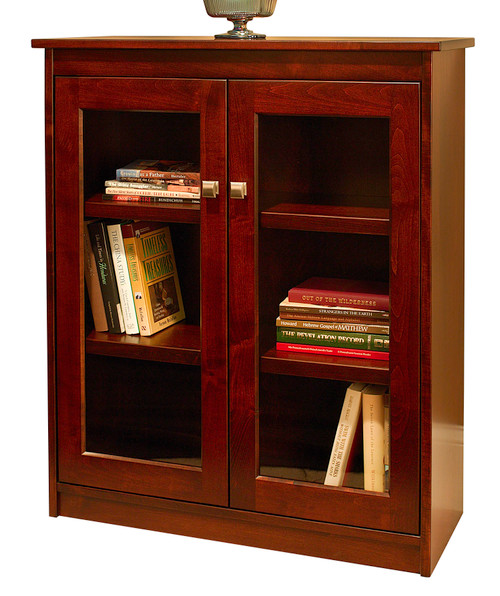
Built-in bookshelves work best when they share the desk's wood, profile, and hardware. Consistent through-tenon details, matching flat-panel doors with hammered hardware, and a unified stain tie it together. The wall reads as a single piece instead of a bunch of random furniture.
Shelf spacing matters. Mix fixed and adjustable shelves so you can display books and objects without the case looking too utilitarian. A row of solid-door cabinets at the bottom keeps equipment and files out of sight.
Balancing Built-In Furniture With Open Floor Space
Built-ins should free up the floor, not fill it. When storage hugs the walls, the desk becomes a true island of focus, not just another piece squeezed in with portable shelves.
Leave at least 36 inches of clearance at the desk's return side so you can move comfortably. If your room is under 120 square feet, keep built-in depth at 12 to 13 inches instead of the full 16-inch bookcase depth. That saves space without losing storage.
How to Plan for a Small Craftsman Home Office
In a small space, vertical storage above the desk usually works best. Try a wall-hung bookcase or a shallow upper cabinet run above a built-in work surface to double your storage without eating up floor space.
Stick to the essentials: one desk, one chair, and perimeter storage. Skip the second seating area unless the room truly fits it. One well-proportioned space feels intentional; a crowded one just feels improvised.
Use Color, Materials, and Light to Shape the Mood
The Craftsman palette runs from warm ochres and sage greens to muted blues and creamy whites. Each color changes how the wood reads. Layering the right lighting makes joinery pop, even after sunset.
An Earthy Color Palette That Supports Craftsman Character
Earthy colors reinforce the Arts and Crafts vibe. Warm ochre, sage green, terra cotta, and deep red walls support the woodwork without fighting it. Woven textiles in similar tones, like a hand-knotted wool rug with a geometric pattern, anchor the floor. They also soften the sound in a wood-heavy room.
If you have exposed beams, leave them natural or give them a light wash so they feel like part of the whole, not an afterthought.
How Blue Walls, Beige Walls, and White Walls Change the Feel
Blue walls, think dusty slate or muted teal, make quartersawn white oak glow and create a calm, contemplative mood. Beige walls act as a neutral backdrop and let the furniture stand out. White walls brighten a dim room but can wash out the warmth of dark-stained oak if they're too cool.
Test any wall color against your actual wood samples and in your room's lighting before you commit. Colors can shift a lot depending on time of day and direction of light.
Bringing in Natural Light, Task Lighting, and a Task Lamp
Natural light from a north or east window is ideal for your work surface, steady and glare-free. Set up your desk to catch this light, but avoid putting the window right behind your monitor.
A task lamp with a mica or art glass shade brings warm, focused light to your work area. Pair it with Craftsman-style ceiling lights and wall sconces to layer the room's lighting. That way, the joinery and wood grain stay visible at night.
Plan the Layout for Daily Work and Comfort
A room that looks great but works badly just doesn't cut it. Ergonomics, flooring, and visual balance all shape how the room feels over a full workday.
Creating an Ergonomic Setup Without Losing Character
You don't have to sacrifice style for ergonomics. Stickley office desk chairs built with real joinery provide solid lumbar support and belong in the room. Seat height, armrest placement, and back angle all matter. You can adjust or re-glue a hardwood chair for years to come.
If you're at your desk for long stretches, a Stressless by Ekornes reading chair in a secondary spot adds ergonomic support. It gives you a comfortable place to review documents away from the screen. You might check out Stressless recliners on classic bases to see how they look with hardwood case pieces.
Flooring, Wall Color, and Visual Weight in the Work Zone
|
Floor Type |
With Dark-Stained Oak |
With Natural or Light Oak |
|---|---|---|
|
Dark wood floor |
Dramatic, needs light walls |
Grounded, warm, readable |
|
Medium wood floor |
Balanced, versatile |
Light, open, works with any color |
|
Stone or tile |
Cool contrast, suits lighter furniture |
Airy, more contemporary |
Medium-tone wood floors are the most forgiving. They don't blend into dark furniture or create jarring contrast.
Practical Home Office Ideas for Rooms With No Fireplace
If there's no fireplace, the desk wall becomes your anchor. Frame it with tall bookcases and hang a centered pendant or semi-flush fixture above the desk. Put a substantial rug in the work zone to define the space.
These ideas help ground the room, even without an original architectural focal point.
Sequence the Room and Order With Intent
Ordering custom furniture in the right sequence keeps things on track and avoids mismatches. Desk first, storage second, then lighting and textiles.
A Smart Customization Sequence: Desk, Storage, Lighting, Then Textiles
Start by choosing your desk: wood, stain, size, hardware. Once you've locked that in, use the sample to pick bookcases or storage in matching materials. After that, choose lighting fixtures and a rug that complement your confirmed wood and stain.
Here's the order that keeps things simple:
- Desk: wood, stain, joinery, hardware, decide first
- Storage and built-ins: match to desk, order within a week or two
- Craftsman lighting: pick pendants, sconces, and ceiling fixtures after wood tones are set
- Textiles and rugs: Arts and Crafts rugs come last, so you can match them to your stain
Why Special-Order Lead Times Support Better Results
A 14 to 16 week lead time for a custom hardwood desk isn't a hassle. It's the result of made-to-order craftsmanship. An artisan builds your piece to your specs, not from a warehouse shelf. That's why it's worth the wait.
Work backward from your target completion date and get your desk order in first. Storage and lighting can follow soon after without holding up the whole project.
Bringing the Whole Room Together With Expert Guidance
You can scroll through endless photos online. But nothing compares to standing in a room with quartersawn white oak, stain samples, and a hand-knotted rug all in front of you. Subtle shifts in stain color or rug tone just don't show up the same on a screen, and those little details make or break the whole vibe.
The Mission Motif craftsman office furniture collection in Atlanta lets you see these combinations up close before you commit. The design team is right there to help you sort out everything from desk specs to picking out textiles.
Frequently Asked Questions
Here are some of the questions people ask most when figuring out how to nail the look and feel of a true craftsman home office.
How Do You Balance Built-In Bookcases With Wainscoting and Window Trim in an Arts and Crafts Office?
Try lining up the top of your wainscoting cap with the bottom edge of any bookcase base or apron rail. That way, the horizontal lines run straight across the room and feel intentional. Use the same width for your bookcase face frames as you do for window and door casings, so the trim all speaks the same language. When profiles match, built-ins feel like part of the house, not just furniture pushed against a wall.
Which Wood Species and Grain Cuts Feel Most Authentic for a Desk and Storage, Like Quartersawn White Oak?
Quartersawn white oak really stands out as the classic choice. The medullary ray figure has always been a favorite with Arts and Crafts designers who wanted to show off the wood's natural character. If you want something lighter or a bit more refined, cherry works beautifully and takes oil finishes well. Brown maple is a solid pick if you're watching your budget but still want real wood.
What Hardware Finishes Go Best With Craftsman Millwork, From Oil-Rubbed Bronze to Aged Copper?
Oil-rubbed bronze handles just about any oak stain and always looks right. If you're leaning into period details, aged copper or hand-hammered copper hardware pairs nicely with mica lamp shades. It also suits earthy green or ochre walls. Skip shiny brass or polished chrome. They clash with mortise-and-tenon joinery and the flat-stock trim you see in Craftsman rooms.
How Can You Blend a Clean, Modern Layout With Traditional Details Like Exposed Tenon Caps and Corbels?
Keep your floor plan open and let the furniture do the talking when it comes to period details. A flat-panel built-in with through-tenon caps and simple corbels between upper and lower cabinets feels true to the era. It never makes things busy. When you show some restraint in the layout, the joinery details actually pop more.
What Lighting Plan Works Best for Focused Work While Highlighting Leaded Glass, Stained Wood, and Joinery Details?
Go for three layers. Use ambient light from a craftsman-style ceiling fixture and task lighting from a mica or art glass desk lamp. Add wall sconces on either side of bookcases or your reading chair. Sconces throw light at an angle that brings out the wood grain and joinery in the evenings. Arroyo Craftsman pendant lights over a reading nook or extra work spot add period charm and practical light.
Which Wall Colors and Natural Materials Complement Mission-Style Furniture Without Darkening a Small Room?
Try warm off-whites, pale sage greens, or dusty teal blues. These colors bounce enough light around to keep small rooms feeling open, and they work well with Mission-style furniture. Pair your wall color with a craftsman collection rug in natural wool tones.
Stick to simple, light window treatments to let in as much daylight as possible. Heavy drapes or dark ceilings tend to shrink the space and make it feel cramped.
Build the Room You'll Actually Want to Keep
A craftsman home office isn't some quick decorating project. It's an investment in a space that matches the house's bones and only gets better as the wood ages and the room settles in. Every choice, from wood species to rug pattern, adds up over time.
The pieces that really matter are the ones made by American and Amish artisans: solid hardwood, hand-fitted joints, built for the long haul. Those will stick around through renovations and never feel out of place in a house that was built to last.
When you're ready to move from planning to specifics, stop by Mission Motif's Atlanta showroom at 747 Miami Circle NE. You'll see quartersawn white oak, hand-knotted rugs, and craftsman lighting all together. Or call 404-370-1505 to talk through wood, stain, and hardware options. That team has helped Atlanta homeowners create real Arts and Crafts interiors for over 20 years.