
Craftsman Style Lighting Guide for Homes
Posted by Mission Motif on Jun 18th 2026
Walk into a well-designed craftsman room, and the light feels like it grew there: warm, directional, a little amber at the edges. Walk into one where someone swapped in a brushed nickel drum shade from the home improvement store, and you can't quite say why it's wrong. But you feel it immediately.
One odd fixture can quietly undo all that careful planning.
Here's the main thing: every light in an Arts and Crafts interior should look like it could've come from the same workshop as the furniture. So, before you even think about bulbs, check out the shade materials, metal finishes, joinery, and the scale compared to your woodwork.
How to Recognize an Authentic Arts and Crafts Fixture
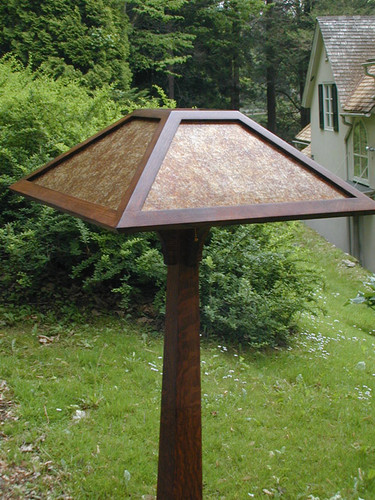
Real craftsman lighting stands apart from generic rustic or traditional fixtures. You'll see hand-hammered copper, mica panels, and art glass in warm amber or caramel. Mission style avoids fuss: think simple construction and honest materials.
The Visual Markers of Craftsman Design
Craftsman design leans on exposed hardware, straight lines, and visible joinery. You'll notice flat surfaces, riveted seams, and geometric shapes, not the fussy curves you find in other styles.
Sometimes, you'll see wood accents in mahogany or dark-stained oak on ceiling canopies or wall brackets. The fixtures tend to feel low and grounded, which fits right in with eight- or nine-foot ceilings and chunky timber trim.
Shade Materials: Mica, Art Glass, and Hammered Metal
Mica shades give off that signature amber glow, creating the cozy vibe you expect in Arts and Crafts rooms. Art glass, seeded, opalescent, or caramel, does the same but adds a bit more color and interest.
Hammered metal shades, usually copper or bronze, throw light downwards, so they're great for tasks over tables or kitchen islands. Each material sets its own mood: mica feels subtle and homey, art glass is more vibrant, and hammered metal feels practical in a good way.
How Mission Style Differs From Generic Rustic Lighting
Mission-style fixtures stick to clean geometry rather than fake-antler shapes or distressed finishes. You'll find rectangles, square tubing, and finishes that look aged because of the real material, not a factory-applied effect. Craftsman architecture and the Arts and Crafts movement both push back against mass production, and the lighting should do the same.
Choosing Craftsman Style Lighting by Fixture Type
The type of fixture matters just as much as the finish. If you stick a wall sconce where a pendant should go, or use a table lamp where a ceiling fixture belongs, the room feels off, even if each piece looks great on its own. Chandeliers, pendants, and ceiling fixtures each solve different problems, while sconces and table lamps fill in the gaps.
When to Use Chandeliers, Pendants, and Ceiling Fixtures
Chandeliers work where you want a focal point: dining rooms, stair halls, or big entryways. Craftsman style ceiling lights in flush or semi-flush styles fit bedrooms and kitchens with lower ceilings, where a pendant would hang too low.
Pendants shine over islands, reading nooks, and dining tables. In homes with eight-foot ceilings, a semi-flush mica or art glass fixture usually looks better than a chandelier that hangs too far down.
Where a Wall Sconce Works Best
A craftsman wall sconce adds ambient light without fighting the ceiling fixture for attention. Put sconces on either side of a fireplace, next to a bed's headboard, or by a staircase landing.
In hallways, they can take over from ceiling lights and keep the walls interesting. Hammered copper or oil-rubbed bronze sconces usually look best mounted at 60 to 66 inches from the floor, about eye level.
When a Table Lamp or Desk Lamp Makes More Sense
Table lamps pull the light down to where you actually live, creating those cozy pools of light that define Arts and Crafts spaces. Stained glass or Tiffany-style table lamps with caramel or amber shades fit nicely by a reading chair, side table, or entry console.
A desk lamp with a directional shade covers office tasks without needing overhead lights. Warm LED bulbs (2700K to 3000K) now do a pretty good job mimicking the old incandescent glow.
Room-by-Room Lighting Plans for Key Spaces
Layering light in a craftsman home means mixing ambient, task, and accent lights so no single fixture has to do all the work. The entry and porch set the mood outside, while each main room calls for its own balance of fixture types and shade materials.
Entry and Porch Placement for a Welcoming First Impression
Porch lights should stand out from the street and echo the roofline and bracket details. Outdoor wall lanterns in oil-rubbed bronze or verdigris copper tie in with the hardware above the door.
If you've got porch columns, post cap fixtures help carry the look downward. Stick to warm color temperatures to keep the trim glowing amber at night.
Dining Room Lighting That Centers the Table
A craftsman pendant or low chandelier, hung 30 to 34 inches above the table, anchors the space. Dining room furniture in quartersawn white oak bounces warm light around, so amber art glass or mica shades just make sense.
Dimmer switches are super useful here. As dining room lighting shapes mood and conversation shows, the right fixture sets the tone for every meal, whether you're doing a puzzle under bright light or sitting down to dinner in a softer glow.
Living Room Lighting With Warm, Layered Pools of Light
The living room benefits from layers. A ceiling fixture gives you general light, but the real warmth comes from sconces, floor lamps, and table lamps near the seats.
Skip the all-over overhead lighting. It flattens everything and kills the texture in your wood and rugs. Give every reading chair its own lamp, and add sconces by the fireplace to double up on that cozy glow after dark.
Kitchen Fixtures That Balance Task and Atmosphere
Pendants over the island work as both anchors and task lights, just like craftsman-style pendant lights in old kitchens. Pick a pendant with hammered metal or art glass that matches fixtures in nearby rooms.
Under-cabinet lighting can stay practical since it's mostly hidden, but overhead lights should stick to Arts and Crafts materials. Seeded or amber glass globes in a semi-flush mount are a good fit for kitchens with lower ceilings.
Bedroom Lighting for Softness and Readability
Craftsman bedroom collections really shine with a ceiling fixture that has a diffused shade. Skip the bare bulbs or harsh downlights.
Bedside sconces free up your nightstand and put reading light right where you need it. A table lamp on the dresser gives you another layer, so the room never feels too shadowy. Warm white LEDs at 2700K are pretty much the standard now.
Scale, Finish, and Placement Details That Make a Room Feel Right
Getting the scale and finish right makes all the difference. Oversized chandeliers can crowd low ceilings, mismatched metals feel jarring, and too many bright lights kill the mood. Craftsman style rewards a little restraint.
Matching Fixture Scale to Ceiling Height and Furniture Mass
A quick trick: add the room's length and width in feet, and that's about how many inches your fixture should be in diameter. If your furniture is heavy and solid, go a bit bigger.
For eight-foot ceilings, hang pendants so the bottom of the shade sits 6.5 to 7 feet from the floor in walkways, and 30 to 34 inches above a dining table.
Choosing Bronze, Copper, and Other Period-Friendly Finishes
|
Finish |
Character |
Best Application |
|---|---|---|
|
Oil-rubbed bronze |
Dark, slightly warm, aged |
Dining, living room, entry |
|
Hand-hammered copper |
Warm, artisanal, rich patina |
Kitchen, den, accent sconces |
|
Verdigris |
Cool green-bronze, weathered |
Exterior lanterns, porch fixtures |
|
Aged brass |
Slightly formal, warm gold |
Entry foyer, reading lamps |
|
Matte black |
Clean, graphic, Mission-appropriate |
Kitchen pendants, task fixtures |
Steer clear of polished chrome, nickel, or shiny finishes. They belong elsewhere and distract from the woodwork.
Avoiding Overlighting in Craftsman Interiors
Craftsman homes were designed for firelight and low-wattage bulbs. Shadows aren't a problem to fix — they're part of what the style is doing. An evenly lit craftsman room isn't just wrong aesthetically; it's contradictory. The whole movement was a reaction against industrial sameness, and nothing reads more industrial than a room where every corner gets the same flat wash of light.
Aim for 20 to 30 foot-candles of ambient light in living and dining rooms, add task lighting as needed, and let those mica or art glass shades create the atmosphere.
Evaluating Modern Fixtures With Craftsman Character
You'll find plenty of modern fixtures that nod to the craftsman style, but not all of them hit the mark. Lanterns, sensor-enabled wall lights, and LED pendants can still feel right if the materials and construction hold up.
What to Look for in Exterior Wall Lanterns
Look for cast metal, not thin stamped sheet, and make sure the glass panels are set into the frame, not glued on top. Fixtures labeled as craftsman outdoor wall lights vary a lot in quality. Check that the mounting hardware and canopy details match the rest of the fixture.
How Sensor and LED Upgrades Can Still Feel Appropriate
You can add a motion sensor or photocell to almost any exterior fixture without changing the look. Warm white LED retrofits (2700K) now do a solid job recreating the amber glow of old bulbs through mica or seeded glass. The technology disappears; what matters is that the body, shade, and finish still fit the craftsman look.
Examples of Common Craftsman-Inspired Fixture Types
- Mission style chandelier: Rectangular frame, art glass or mica panels, oil-rubbed bronze or copper finish
- Craftsman pendant: Single shade in hammered metal or amber glass, straight-line suspension hardware
- Exterior wall lantern: Cast housing, clear or seeded glass, verdigris or bronze finish
- Stained glass table lamp: Caramel or amber tones, geometric leading, good for reading chairs
- Wall sconce: Flat back plate, square or rectangular shade, visible hardware
Bringing the Whole House Into Harmony
A single great fixture in the dining room and a mismatched sconce in the hall is still a mismatched house. The finish, the shade material, and the scale logic need to travel from the porch to the bedroom — not match perfectly, but speak the same language.
Creating Continuity Across Interior and Exterior Fixtures
Pick one or two main finishes and use them throughout the house. If you've got oil-rubbed bronze lanterns outside, carry that into the entry, dining, and kitchen fixtures. Maybe reserve copper for a den sconce or a bedroom lamp.
Craftsman style lighting feels like a true collection when finishes and materials echo from room to room, even if the fixture types shift.
When to Mix Mission Lighting With Existing Woodwork and Rugs
Mission-style fixtures really come alive next to woodwork that shows off a warm tone and visible grain. If you've got quartersawn white oak trim, dark fir floors, or arts and crafts rugs in earthy shades, those elements soak up warm light beautifully.
Here's a good rule: when your wood feels warm and your rug colors lean toward ochre, rust, sage, or brown, just about any mica or amber art glass fixture will look right at home. The craftsman collection rugs and these lights speak the same language, so they tend to play well together in the same space.
Getting Selection Help for a Cohesive Plan
Pulling together fixtures for a whole house isn't as simple as picking out one lamp at a time. Choices build on each other, and it's easy to hit a snag if something feels off.
If you're not sure where to start, a team with real Arts and Crafts experience can spot trouble spots and help you avoid awkward mismatches before you commit. When you're ready to find lighting that works with your wood, stain, and rug choices, Mission Motif's design team can walk you through the details. Give them a call at 404-370-1505 or stop by the showroom at 747 Miami Circle NE in Atlanta to talk it over with someone who knows the style inside and out.
Frequently Asked Questions
Here are some of the questions that come up when you're trying to choose craftsman lighting for Arts and Crafts spaces, especially when you want to get the details right, from matching trim to picking outdoor lights that don't fight the roofline.
How Do I Choose Craftsman Light Fixtures That Match Quartersawn White Oak Trim and Exposed Tenon Caps?
Stick with fixtures finished in warm bronze or copper, and go for mica or amber art glass shades. These materials echo the amber tones in quartersawn white oak and let the grain stand out. Steer clear of silvery metals and bright white glass. They just don't sit right against the wood. A straight, rectangular fixture shape fits the geometry of exposed tenon details much better than anything curvy or overly ornate.
What Glass Shades and Metal Finishes Best Fit Authentic Arts and Crafts Lighting: Mica, Opalescent, or Seeded Glass?
Mica shades offer the warmest, softest glow and stay true to period interiors. Seeded or opalescent glass gives a bit more brightness and works well in kitchens or dining rooms where you want a little extra light. Pair any of these with oil-rubbed bronze or hammered copper. Polished or satin nickel? Save those for another style. They don't belong here.
Where Should Ceiling Lights, Pendants, and Wall Sconces Be Placed to Build Proper Layered Lighting in a Craftsman Interior?
Ceiling fixtures handle the main lighting, pendants focus on spots like dining tables or kitchen islands, and sconces add another layer at eye level near seating or fireplaces. Mount sconces around 60 to 66 inches from the floor. That's about eye height and keeps them from clashing with ceiling lights. The idea is to balance things so no single source takes over, and shadows become part of the atmosphere.
What Details Separate True Mission-Style Lighting From Modern Look-Alikes in Joinery, Proportions, and Hardware?
Genuine Mission fixtures use cast or formed metal, not stamped sheet. You'll see exposed screws and riveted seams. They're a sign of quality, not shortcuts. Proportions should feel sturdy and grounded, with shade sizes that match the fixture body instead of stretching for more output. Modern imitations usually use thin metal, fake patina finishes, and glue their glass instead of setting it into a real frame.
How Can I Update a Craftsman Home's Lighting Without Losing Period-Correct Character in the Entry, Kitchen, and Dining Room?
Swap out fixtures one category at a time, starting with the rooms that get the most attention, like the entry, dining, and living rooms. Keep finishes and shade materials consistent across those main spaces before moving on to others. Warm white (2700K) LED retrofits keep the amber glow of the old fixtures but still meet today's energy standards, so you don't have to pick between authenticity and efficiency.
Which Outdoor Craftsman Fixtures Work Best for a Covered Porch, Post Caps, and Path Lighting While Respecting the Roofline and Brackets?
Pick wall lanterns in cast bronze or verdigris with seeded or clear glass for covered porches next to the front door. Post cap fixtures that echo the lantern's shape work well on porch columns and keep the look unified. For path lighting, go with low-profile bollard fixtures in the same finish. They'll light the way without stealing the show from the roofline or bracket details.