
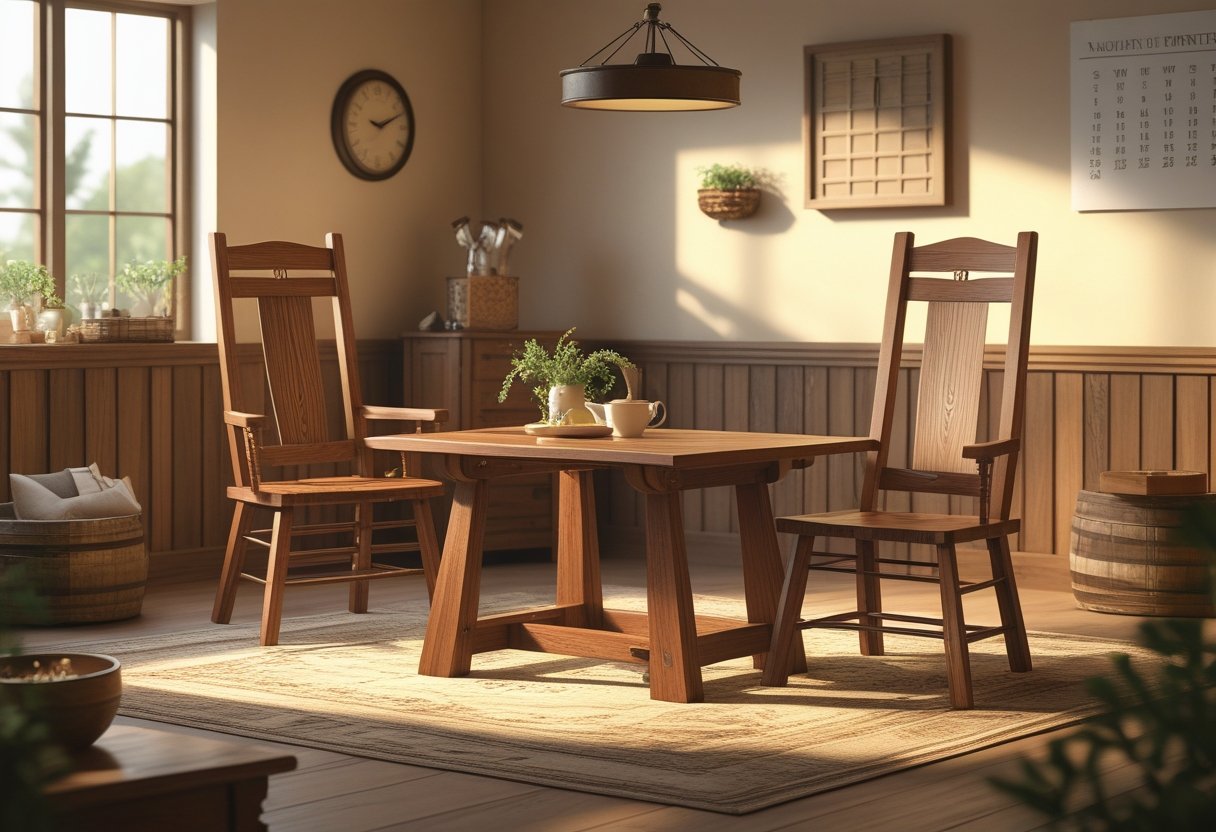
How Long Does Amish Furniture Last? Durable Craftsmanship for Generations
Posted by Mission Motif on Dec 14th 2025
When you invest in Amish furniture, you’re choosing more than a household item—you’re choosing enduring craftsmanship. Built from solid hardwoods like oak, cherry, and walnut, these pieces often last 50 to 100 years or more, serving as heirlooms passed through generations.
At The Mission Motif, we share the same respect for craftsmanship that the Amish community upholds. Their dedication to quality and tradition mirrors the values found in Mission and Arts & Crafts furniture, where every joint and grain tells a story of care and integrity.
In this guide, you’ll learn what determines how long Amish furniture lasts, why its construction ensures longevity, and how proper care helps preserve its beauty and function for decades.
Average Lifespan of Amish Furniture
Amish furniture stands out for its strength and traditional craftsmanship. The lifespan depends on the type of piece and how it compares to mass-produced furniture.
Typical Timeframes by Furniture Type
Different furniture pieces last for different amounts of time.
- Tables and chairs often last 50 to 100 years with proper care. Solid hardwoods like oak or cherry resist wear over decades.
- Beds and dressers can also reach 50 years or more. Sturdy joinery and quality finishes protect the wood.
- Sofas with Amish craftsmanship may last 30 to 50 years, depending on upholstery and frame materials.
Regular maintenance, such as dusting, avoiding moisture, and occasional refinishing, helps these items reach their full lifespan.
Comparing Lifespan to Mass-Produced Furniture
Mass-produced furniture usually lasts 10 to 15 years before showing significant wear because manufacturers use cheaper materials like particleboard and quicker methods. In contrast, Amish furniture uses solid wood and traditional joinery, making it more durable.
These pieces are designed to become heirlooms, not to be discarded after a few years. Investing in Amish-made pieces gives you furniture that maintains its strength, beauty, and function far longer than typical store-bought options.
Factors That Affect Amish Furniture Longevity
Amish furniture’s durability depends on the materials and construction techniques. These factors combine to create pieces that last many years with the right care.
Wood Selection and Sourcing
The type of wood greatly impacts how long Amish furniture lasts. Craftsmen typically use solid hardwoods like oak, cherry, maple, walnut, and hickory, which are dense and strong. These woods resist wear and damage over time.
Many Amish furniture makers use locally sourced or carefully chosen wood to ensure high quality. Well-seasoned hardwood, dried to remove moisture, reduces the risk of cracking or shrinking. This focus on wood quality ensures the furniture remains stable and durable for decades.
Joinery and Construction Techniques
How the furniture is built affects its longevity. Amish furniture features traditional joinery methods, such as mortise and tenon joints, dowels, and dovetails. These techniques create strong connections without relying on nails or screws that might loosen over time.
Handcrafted joinery fits wood pieces tightly, distributes weight evenly, and prevents wobbling or weakening. These joints handle daily use and stresses that mass-produced furniture may not withstand.
Amish builders spend extra time sanding and finishing each piece by hand, resulting in smooth surfaces less likely to collect dust or grime. Careful construction helps preserve both the wood and finish.
Signs of High-Quality Amish Craftsmanship
Genuine Amish furniture stands out through fine details and strong components. Each piece is carefully finished and built to last, offering clear benefits over mass-produced alternatives.
Attention to Detail in Finishing
When you examine Amish furniture, you’ll notice smooth edges and consistent stain or paint. Craftsmen apply finishes by hand, highlighting the wood’s natural grain.
Look for hand-rubbed finishes that enhance durability and resist wear. Surfaces should feel even and free of imperfections, while joinery lines remain tight and seamless. Small artistic touches, like hand-carved details or subtle shaping, reveal skilled hands and patience.
Durability of Hardware and Components
Hardware on Amish furniture is built to work smoothly for decades. Expect solid brass, stainless steel, or other rust-resistant metals for hinges, knobs, and drawer slides.
These parts won’t loosen quickly or break under normal use. Well-made slides and careful alignment help drawers glide easily. Precision-placed screws and nails support the structure without damaging the wood, preventing wobbling and adding stability.
Choosing Amish craftsmanship means your furniture will stay functional and beautiful through years of use, thanks to the quality of its components.
Proper Care and Maintenance for Extended Longevity
Keep your Amish furniture beautiful and functional for many years by focusing on regular cleaning and controlling its environment. Small habits protect both the wood and finish, preserving appearance and strength.
Cleaning Recommendations
Dust your furniture regularly with a soft, dry cloth to prevent dirt buildup that can scratch the surface. Avoid harsh chemicals or abrasive cleaners, as these can damage the finish.
For spills, wipe them immediately with a slightly damp cloth, then dry thoroughly. Use mild soap and water only when necessary, testing on a hidden area first, and never saturate the wood.
Use furniture polish sparingly and choose a product made for hardwood, following the manufacturer's instructions. Overuse can leave residue that attracts dust. Clean metal hardware with a dry or lightly damp cloth, avoiding abrasive cleaners.
Humidity and Environment Control
Wood reacts to changes in humidity and temperature, so keep your furniture in stable conditions. Aim for indoor humidity between 35% and 55% to prevent cracking or warping.
Avoid placing furniture in direct sunlight, which can fade wood and weaken finishes. Use curtains or blinds to protect pieces near windows. Keep furniture away from heat sources such as radiators, vents, and fireplaces to prevent uneven drying, warping, or splits.
Maintain a steady room temperature, ideally between 65°F and 75°F, to reduce stress on wood joints. Sudden temperature swings can accelerate wear and tear.
Restoration and Repair of Amish Furniture
Restoring and repairing Amish furniture helps preserve its beauty and function. Timely repairs and proper maintenance can extend the life of your pieces for decades. Acting promptly and caring for the finish will protect your investment.
Common Repairs and When to Seek Help
Even though Amish furniture uses solid hardwood and strong joints, issues can develop over time. Common repairs include fixing loose joints, repairing scratches or dents, and addressing minor wood cracks.
If you notice wobbling, broken joints, or severe surface damage, consult an expert. Amish furniture repair specialists or original craftsmen can restore your piece using traditional techniques. Avoid DIY fixes for structural issues to maintain the furniture’s integrity.
For refinishing, seek professional help if the finish is worn or damaged. Refinishing restores the wood’s natural beauty and protects it from moisture and wear. Use trusted local services experienced in Amish furniture care for the best results.
Maintaining Appearance Over Decades
Keep your Amish furniture looking its best with regular cleaning and protection. Dust often with a soft cloth and use mild, natural wood cleaners if needed, avoiding harsh chemicals.
Place furniture away from direct sunlight, heat sources, or high humidity areas to prevent warping or fading. Use coasters, placemats, and pads to protect surfaces from stains and spills.
Reapply wax or finish periodically to preserve the luster and protect the wood. A well-maintained finish prevents moisture damage and enhances the natural grain, ensuring your furniture remains a beautiful, durable part of your home.
Sustainability and Generational Value
Amish furniture represents a smart choice that supports ethical practices and long-term use. Its quality and construction offer value that lasts beyond a single generation, while sustainable methods help reduce environmental impact.
Heirloom Potential
When you invest in Amish furniture, you receive pieces designed to last for many years. Crafted with solid hardwood and joinery techniques that avoid nails or screws, these items offer increased stability and strength.
Because of this craftsmanship, Amish furniture often becomes a family heirloom. You can pass it down through generations without worrying about it wearing out or going out of style. Many families cherish the idea of preserving these pieces as part of their heritage.
Choosing furniture with such lasting quality means fewer replacements over time, reducing waste and supporting a more mindful approach to furnishing your home.
Sustainable Furniture Practices
Amish furniture makers focus on sustainability at every stage. They use local hardwoods, which reduces transportation emissions and supports regional economies. Hardwoods are chosen for their strength and longevity, resulting in less waste from replacements.
Production methods emphasize careful craftsmanship rather than factory assembly lines, limiting mass production waste and avoiding toxic finishes. This approach makes the furniture safer for your home environment.
By choosing Amish furniture, you support a system that values environmental responsibility. This sustainable approach reduces landfill waste and promotes a responsible lifestyle when furnishing your home.
Common Myths About Amish Furniture Durability
When you think of Amish furniture, you might imagine it as old-fashioned or bulky. This is not always true. Amish pieces come in many styles and finishes, suited to modern homes. Some believe Amish furniture lasts forever without any care.
While quality is high, you still need to maintain your furniture to keep it in good condition for decades. Many people think all Amish furniture is made from the same wood. Amish craftsmen use different hardwoods like oak, cherry, and maple. Each wood has its own look and level of durability.
|
Myth |
Fact |
|
Amish furniture never needs maintenance |
Regular care ensures a longer life and beauty |
|
All Amish pieces look the same |
Styles and wood types vary widely |
|
Amish furniture is always heavy and dark |
Pieces can be light, elegant, and finished in various colors |
Not every piece labeled "Amish" is crafted the same way. Skilled Amish craftsmen use time-honored methods and quality materials, which help guarantee lasting value.
The Enduring Influence of Mission Style Design
According to Architectural Digest, the Mission style that inspired Amish furniture remains one of America’s most enduring design movements. Defined by its solid construction, visible joinery, and minimal ornamentation, this aesthetic connects past and present.
Amish craftsmen continue this legacy, ensuring each handmade piece retains relevance across generations of design trends.
Built to Endure: Why Amish Furniture Lasts Generations
The exceptional lifespan of Amish furniture reflects the dedication and precision behind every handmade detail. When you invest in these pieces, you invest in the legacy of American craftsmanship that prioritizes durability and beauty above all else.
Like Amish artisans, The Mission Motif values integrity and timeless design. Every handcrafted piece we admire carries the promise of long-lasting strength and artistry that can enrich homes for generations.
Experience this enduring quality for yourself. Visit our website to explore Mission-style furniture that embodies authentic craftsmanship built to last.
Frequently Asked Questions
How long does Amish furniture typically last?
With proper care, Amish furniture often lasts 50 to 100 years or more. Solid hardwood construction and traditional joinery methods make these pieces exceptionally durable, allowing them to serve multiple generations.
What factors affect how long Amish furniture lasts?
Durability depends on wood type, construction methods, and maintenance. Hardwoods like oak, cherry, and maple offer superior strength, while mortise-and-tenon or dovetail joints prevent loosening and wear.
How should I care for Amish furniture to extend its lifespan?
Regular dusting, mild cleaning, and stable humidity keep Amish furniture looking beautiful. Avoid direct sunlight and extreme temperatures. Apply natural wood polish or conditioner periodically to preserve the finish.
Can Amish furniture be refinished or repaired?
Yes. Because it’s built from solid wood, Amish furniture can be sanded, refinished, or repaired by skilled craftsmen. Professional restoration can make even decades-old pieces look and function like new.
Is Amish furniture more sustainable than mass-produced furniture?
Amish furniture is highly sustainable. Craftsmen use locally sourced hardwoods and eco-friendly finishes, producing furniture that reduces waste and avoids the environmental costs of mass manufacturing.
Why does Amish furniture last longer than other types?
Amish furniture outlasts mass-produced pieces because it’s handcrafted using high-quality materials and time-tested techniques. Each piece is designed for long-term strength, not quick assembly.