
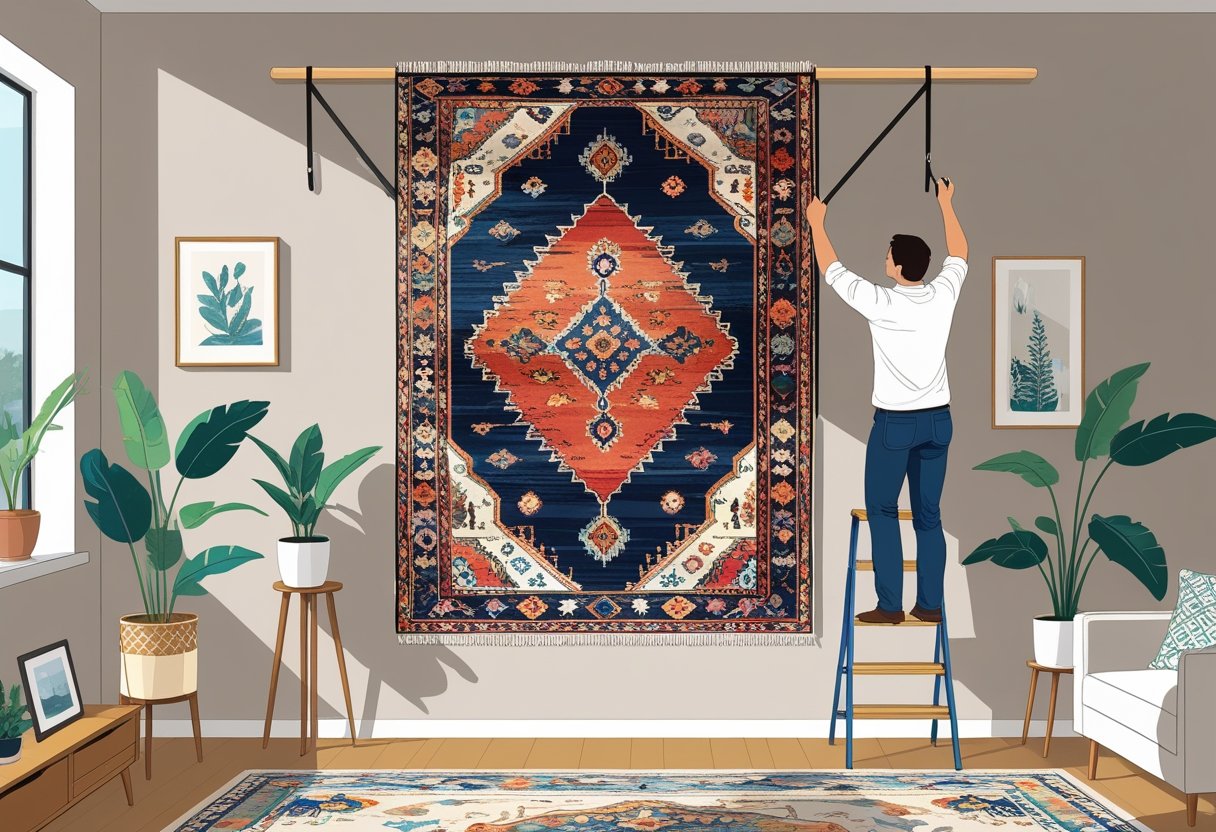
How to Hang Rugs as Wall Art Without Damage Safely and Effectively
Posted by Mission Motif on Dec 10th 2025
Hanging rugs as wall art adds warmth, history, and visual texture to your home. This timeless approach blends design and preservation, letting craftsmanship shine in a new dimension. Choosing the right hanging technique keeps your textiles safe and beautiful for years.
At The Mission Motif, every piece of decor tells a story of artistry and purpose. Displaying a rug on the wall honors both heritage craftsmanship and personal expression. With the right care, these woven works become part of a home’s living legacy.
This guide explores how to hang rugs as wall art without damage, safely, and effectively. You’ll learn methods for mounting, care, and styling that protect your rug while enhancing your space’s character.
Choosing the Right Rugs for Wall Art
To hang a rug as wall art without damage, consider its material, size, weight, and design. Selecting the right rug helps preserve both the rug and your walls while creating a striking visual display.
The Art of Displaying Textiles Through History
Hanging textiles as decoration dates back centuries, from medieval tapestries to Arts & Crafts-era weavings. These displays were valued not only for beauty but for storytelling and insulation.
According to Smithsonian Magazine, the Arts & Crafts Movement emphasized handcrafted textiles as expressions of artistry and craftsmanship. Incorporating this tradition today connects modern interiors with a long lineage of design integrity.
Selecting Suitable Rug Materials
Wool and cotton rugs are good choices for wall hangings because they provide durability and texture without being too heavy. Wool resists fading and holds color well, while cotton rugs are lighter and easier to mount.
Avoid delicate fabrics like silk or loosely woven rugs unless you have them professionally mounted, as these can stretch or tear over time.
Rugs with firm backing or hand-knotted construction hold up better on walls. This construction helps maintain the rug's shape and prevents sagging after hanging.
Considering Rug Weight and Size
The size and weight of the rug determine the best display method. Large rugs require strong and secure mounting systems, while smaller rugs offer more placement flexibility but still need to be mounted flat to avoid creases.
Use wall anchors or support bars that can carry at least 20% more weight than the rug. Dowels or curtain rods distribute weight evenly and minimize stress on specific points. Lighter rugs may be safely hung with Velcro strips or special clips.
Designs and Patterns That Work Best
Geometric and symmetrical rug patterns create a strong visual impact and suit various interior styles. Bold motifs, such as those found in kilims, Moroccan Berbers, or Navajo rugs, stand out well on walls.
Avoid overly busy or small-scale patterns, as they can look cluttered from a distance. Rugs with rich, contrasting hues can brighten a room much like a painting. Think about how the colors interact with your existing decor for harmony.
Preparing Your Rug and Wall Surface
Before displaying your rug as wall art, prepare both the rug and the wall. Proper cleaning, protecting the fibers, and ensuring the mounting surface is safe will keep your rug looking beautiful and your walls undamaged.
Cleaning and Protecting Rugs
Clean your rug gently before hanging. Vacuum both sides to remove dust and dirt without damaging delicate fibers.
For hand-knotted or vintage rugs, avoid harsh cleaners and spot clean with a mild detergent and water. Test rug pads or fabric protector sprays on a small area to avoid discoloration. Trim loose threads carefully to prevent fraying.
Keep the rug dry and away from direct sunlight to prevent fading once mounted, especially for hand-crafted rugs with natural dyes.
Prepping Wall Areas for Safe Hanging
Choose a smooth, dry wall surface free of dust and grease. Clean the area with a gentle cleaner, then dry thoroughly before mounting.
Avoid fragile or textured surfaces that may not support mounting hardware well. For plaster or drywall, use anchors suitable for the rug’s weight. Place felt pads or a barrier between hooks or brackets and the wall to protect your wall paint.
Inspecting for Colorfastness
Test your rug for colorfastness before hanging. Dampen a white cloth and rub it on a hidden corner of the rug.
If color transfers to the cloth, the dyes may not be stable and could stain the wall or fade over time. In that case, use a protective backing or frame to prevent marks. Checking colorfastness ensures your rug stays vibrant and your wall remains stain-free.
Damage-Free Rug Hanging Methods
To hang rugs as wall art without causing damage, use methods that protect both the rug and your walls. Each technique offers a secure way to display your textile while preserving its condition and your space.
Using Velcro Strips
Velcro strips provide a secure way to hang heavy rugs. Attach one side of the Velcro to the rug’s back and the other to the wall. For delicate or vintage rugs, sew a narrow piece of canvas along the rug’s top edge before attaching Velcro to add strength and prevent direct contact with the rug fibers.
Make sure the wall surface is clean and smooth before applying the strips. This method holds the rug firmly and allows removal without leaving marks or holes.
Applying Command Hooks or Strips
Command hooks or adhesive strips offer a simple, wall-friendly solution. These products do not require nails or screws, so they limit wall damage when removed properly. Choose strips strong enough to support your rug’s weight.
Install them on the wall and loop your rug’s upper edge over hooks, or adhere the strips to the rug’s corners or a backing rod sewn to the rug. Clean the wall area before attaching strips and follow the weight guidelines carefully. This method works best for smaller or lighter rugs.
Magnetic Mount Systems
Magnetic mounts work well for lightweight rugs. Sew thin magnetic tape along the rug’s top edge and attach metal strips on the wall to hold it flat.
This avoids piercing the rug with nails or staples. Magnets allow easy removal and repositioning without damage. They work best if your rug has a solid backing or a sewn-in casing to hold the magnets in place evenly.
Best Practices for Hanging With Rods and Sleeves
Using rods and fabric sleeves offers a secure way to hang rugs without causing damage. Proper sewing of sleeves, choosing the right rod, and non-stitching attachment methods help protect your rug’s fibers and maintain its shape over time.
Sewing a Fabric Sleeve
Measure the width of your rug and sew a fabric sleeve along the top edge using a strong material like cotton or linen.
The sleeve should be wide enough to fit your rod comfortably. Use small, tight stitches to keep the sleeve secure and avoid sewing through delicate areas of the rug. This method distributes weight evenly and prevents sagging.
Installing Adjustable Rods
Choose a sturdy metal or wood rod that supports the rug’s weight. Adjustable rods fit various wall widths and allow easy rug removal.
Mount brackets securely into wall studs for strong support. Place the rod through the sewn sleeve and set it on the brackets. Check that the rug hangs flat and straight without slippage. Adjust the rod length to keep the rug tight against the wall.
Attaching Rugs Without Stitching
If sewing isn’t an option, use clamps or clips attached to a rod, placing soft padding or felt between the clips and the rug. Make sure clips hold firmly but gently. You can also wrap the rug around a rod and secure it with Velcro straps or ties. For professional results, use specialized hanging systems to reduce stress points and prevent holes or tears.
Tips for Hanging Antique or Delicate Rugs
When displaying antique or delicate rugs, protect the fabric and your walls by avoiding harsh adhesives, adding cushioning to prevent direct contact with the wall, and seeking expert advice when needed. These steps help maintain your rug’s beauty and value over time.
Avoiding Adhesives
Adhesives can damage delicate rug fibers and dyes. Avoid tape, glue, or sticky strips that may pull at the threads or leave residue. Use non-invasive hanging methods such as mounting rods, clamps, or specially designed rug clips.
If you use hanging strips or Velcro, select options with gentle backing and always test a small area first.
Cushioning Against Wall Surfaces
Place a soft barrier like unbleached muslin fabric or felt strips between the rug and the wall to prevent abrasion. Attach these layers to the back of the rug or affix padding directly to the wall. The cushion should be thin enough not to distort the rug’s shape but thick enough to protect it.
Consulting Textile Professionals
Delicate rugs often need specialized care. Consult a textile professional to evaluate your rug’s condition and recommend appropriate hanging methods. Professionals can suggest custom frames, floating mounts, or pressure mounts that respect the rug’s weave and history. This guidance ensures your treasured piece is displayed safely with its integrity intact.
Maintaining Rug Condition After Hanging
Keep your rug in good shape after hanging by performing regular checks and proper care. Watch for sagging or distortions, protect it from harmful light and moisture, and clean it gently to preserve its fibers and colors.
Monitoring for Sagging and Distortions
Check your rug regularly for signs of sagging or stretching. Rugs hung for a long time may lose shape if the weight is unevenly supported. Use a strong, even hanging system like padded hooks or a rod with casing to spread the weight.
If you notice sagging, adjust the supports immediately. Avoid pulling or stretching the rug when repositioning it. Document the rug’s condition when you first hang it to spot gradual changes.
Controlling Light and Humidity
Keep your rug away from direct sunlight to protect colors from fading. Use UV-filtering window treatments if needed. Maintain room humidity between 40% and 60% to prevent mold or brittleness.
Use a humidifier or dehumidifier to keep conditions stable. Avoid hanging the rug near heat sources or damp walls to preserve its texture and appearance.
Routine Cleaning and Dusting
Dust your wall-hung rug gently every few weeks. Use a soft brush or vacuum with a low-suction setting and a brush attachment to remove dust without pulling fibers. Do not use harsh chemicals or soak the rug.
Spot clean only when necessary with mild detergent and water, and test on a small hidden area first. Rotate the rug occasionally, if possible, to reduce uneven wear. Regular care helps your rug last longer and keeps it looking fresh.
Styling and Display Ideas for Rug Wall Art
Displaying rugs on your walls adds texture, color, and rich patterns to your space. Arrange rugs thoughtfully, choose focal points, and match your room’s style to create a striking and balanced look.
Arranging Multiple Rugs
When hanging more than one rug, keep scale and spacing in mind. Use rugs of similar sizes or patterns to create harmony.
Align them horizontally for a long display or arrange them vertically to make a tall, narrow wall appear larger. Try a grid layout for a clean, structured look or a staggered setup for visual interest. Leave 2 to 4 inches of space between rugs to avoid overcrowding the wall.
Mixing colors within the same palette unifies your display. Rugs with matching background hues or complementary motifs help the wall feel thoughtfully curated.
Creating Focal Points
Pick a rug with bold patterns or vibrant colors as the centerpiece of a wall. This piece draws the eye first and anchors the room visually. Hang the rug at eye level or slightly above for the best viewing experience. Use lighting to highlight the rug’s textures and details without causing damage.
Surround the focal rug with smaller, simpler textiles or related wall art. This approach balances the display while letting the bold rug remain the main attraction.
Coordinating With Room Decor
Match your rug’s colors and style with the furnishings in the room. For example, a geometric Arts & Crafts style rug pairs well with solid hardwood furniture and simple lighting. Keep the overall atmosphere consistent.
If your space features warm tones and handcrafted furniture, choose rugs with earthy hues or natural fibers to complement the mood. Use the wall rug to link elements in the room. A rug’s colors can echo accent pillows or window treatments, tying these pieces together.
Preserving Craftsmanship Through Creative Display
Displaying rugs as wall art blends beauty with responsibility. When handled with care, textiles retain their color, texture, and form while enriching interiors with depth and warmth. Using proper supports, light control, and gentle cleaning ensures they remain a cherished part of your decor.
The Mission Motif believes every element of design deserves the same respect as the artisans who created it. By following safe hanging practices, homeowners can celebrate both modern style and timeless craftsmanship.
Visit our Atlanta showroom to experience authentic Mission-style furniture and expert guidance on preserving and displaying your handcrafted textiles beautifully.
Frequently Asked Questions
How do I hang a rug on the wall without nails?
Use Velcro strips, magnetic mounts, or command hooks designed for textiles. These options distribute the rug’s weight evenly and protect both the fabric and the wall surface from damage.
Can I hang an antique or delicate rug safely?
Yes. For older or fragile rugs, use fabric sleeves or professional mounting systems that avoid adhesives and sharp fasteners. Always consult a textile specialist for valuable pieces.
Should I frame a rug before hanging it?
Framing is optional but ideal for flat-weave or smaller rugs. It adds protection from dust and light exposure while giving the rug a clean, gallery-like presentation.
How can I keep my rug clean once it’s hanging?
Gently vacuum the surface every few weeks with a soft brush attachment. Avoid harsh cleaning solutions and keep the rug away from direct sunlight or moisture.