
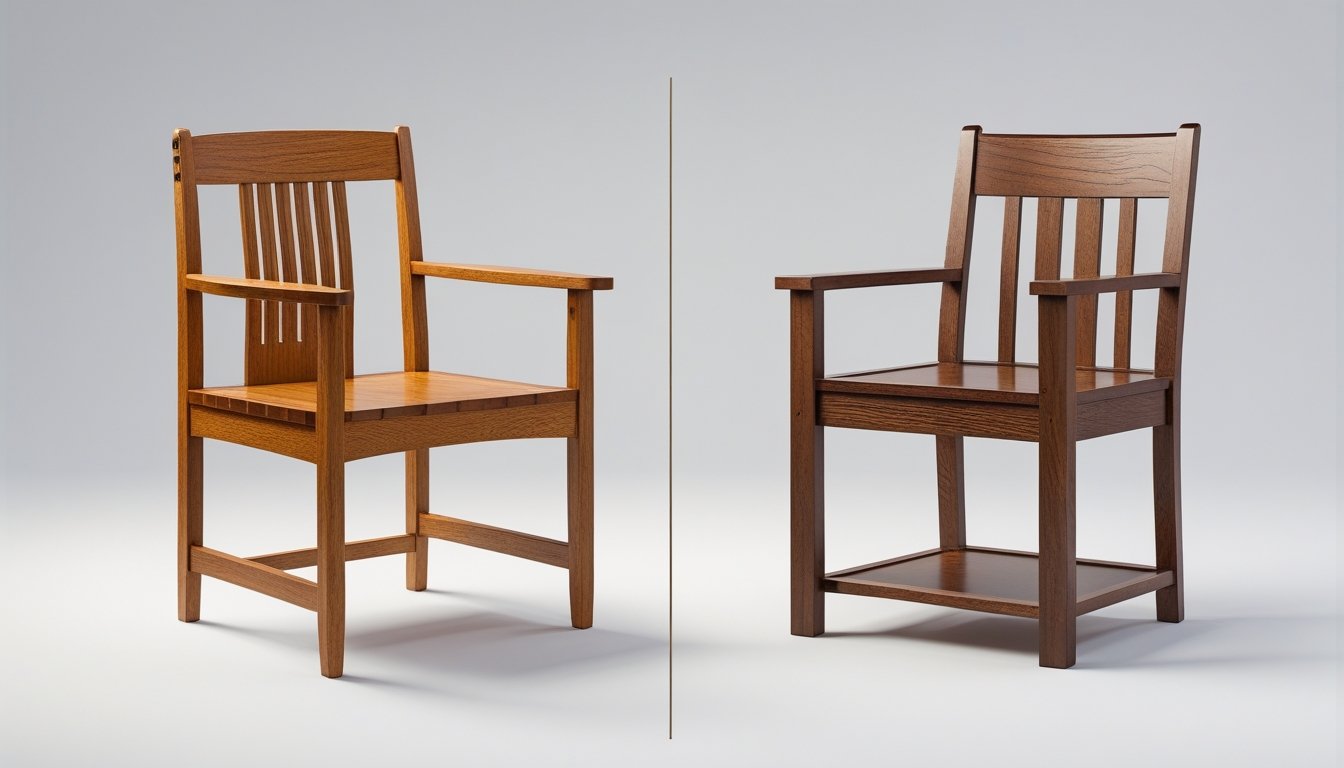
Mission vs Craftsman Furniture Explained: A Guide to Key Differences
Posted by Mission Motif on Oct 7th 2025
Mission and Craftsman furniture share a devotion to simplicity, craftsmanship, and lasting beauty. Though they look similar at first glance, each has its own story, shaped by history and design philosophy. Both celebrate solid wood, visible joinery, and form that follows function.
At The Mission Motif, we admire how these styles honor authentic craftsmanship and honest materials. Mission furniture’s clean, geometric lines contrast beautifully with the warmer, more detailed character of Craftsman design.
In this article, you’ll learn what sets Mission and Craftsman furniture apart—from origins in the Arts and Crafts movement to the details that define each. Whether you love sleek simplicity or handcrafted warmth, this guide will help you find the style that fits your home.
What Is Mission Furniture?
Mission furniture keeps things simple and strong. It’s all about lasting quality, using specific materials, and has its own spot in American history. These details help you see what makes Mission style unique.
Defining Features
Mission furniture is pretty easy to recognize—think clean, straight lines and a focus on function over frills. You’ll see flat panels, wide and sturdy slats, and no fuss or fancy carving.
You’ll often spot exposed joinery, like visible mortise-and-tenon joints. Instead of hiding how it’s made, Mission furniture puts that craftsmanship front and center. The whole vibe is honest and solid, perfect for homes that want both beauty and toughness.
Materials Commonly Used
Most Mission furniture uses solid hardwoods, especially oak. Oak’s tough, ages well, and can stick around for generations. The wood’s natural grain usually gets a warm, honey or amber finish, so you can really see its texture.
You might see some brass or iron hardware, but it’s kept simple and used sparingly. The wood stays the star—no extra metal or carvings to distract. That’s how you get that clean look and focus on quality.
Historical Background
Mission style popped up in the late 19th and early 20th centuries, right alongside the Arts & Crafts movement. It was a pushback against all the mass-produced furniture of the time, going for handmade, simple, and honest design instead.
The name “Mission” comes from those old Spanish missions in California, where settlers built sturdy, unpretentious furniture. Later, folks like Stickley helped spread the style across the U.S. by making well-crafted, American pieces.
That history gives Mission furniture a solid identity—rooted in tradition, quality, and a sense of timelessness.
What Is Craftsman Furniture?
Craftsman furniture is all about purposeful design and honest construction. You’ll see simple, sturdy shapes meant to last. The style feels connected to a time when furniture was made by hand, meant to be both useful and nice to look at.
Characterizing Elements
Craftsman furniture keeps things practical, with clean lines and visible joinery like mortise and tenon joints. Flat panels and straight edges show up a lot. Chairs often have wide, slatted backs and open spaces, so even big pieces don’t feel too heavy.
Everything has a reason—no part’s just there for show. Hardware, often hammered copper or bronze, stays simple and fits the look. It’s furniture you can live with, and it just gets better as it ages.
Popular Wood Choices
You’ll mostly find Craftsman furniture in quartersawn white oak or cherry. White oak is tough, with a strong grain pattern, and cherry brings warmth with its reddish tones that get deeper over the years.
Both woods handle everyday use and show off hand-applied finishes beautifully. These hardwoods really back up the style’s focus on quality and longevity.
Origins and Influences
Craftsman furniture came out of the Arts & Crafts movement in the early 1900s, as a reaction to the over-the-top, mass-produced Victorian stuff. Craftsmen wanted to bring back honesty and simplicity.
The movement started in England but really took off in America, especially in places like California. Designers like Gustav Stickley made it popular, mixing traditional woodworking with practical American needs.
When you pick Craftsman furniture, you’re connecting with a rich history of skilled craft and thoughtful design.
Key Differences Between Mission and Craftsman Furniture
Knowing what sets Mission and Craftsman furniture apart helps you find the right fit for your style and needs. They share Arts & Crafts roots, but their design ideas and building methods give them different personalities.
Design Philosophy
Mission furniture sticks to simplicity and straight lines, with little decoration. Flat panels and vertical slats create a clean, strong look. No curves or ornate carvings—just honest craftsmanship.
Craftsman furniture brings in more nature and art. You’ll see exposed joinery and visible wood grain, plus handcrafted touches and shapes inspired by the natural world. It’s a warmer, more detailed look, but still simple and sturdy.
Construction Techniques
Mission furniture uses straightforward, solid construction. Quartersawn white oak or cherry are common, adding durability and a distinct grain. Mortise and tenon joinery locks parts together—no nails or screws needed. That’s what gives it strength.
Craftsman furniture also relies on strong joinery, but you’ll find more decorative details, like inlays or exposed dowels. Handmade touches are more common, showing off the artisan’s skill. Both styles highlight quality construction, but Craftsman tends to show off its craftsmanship a bit more.
Aesthetic Appeal
Mission furniture brings order and balance with its straight edges and repeating slats. Solid forms and warm oak finishes give it a classic look—great for spaces where you want clean lines.
Craftsman furniture adds more visual texture. Natural wood tones, sometimes colored glass or metal, and organic shapes make it feel handcrafted and inviting. It’s a nice match for a décor that loves natural materials and artistic details.
Similarities Shared by Mission and Craftsman Styles
Both Mission and Craftsman furniture put quality and practical design first. They appreciate sturdy materials, simple lines, and honest workmanship—giving you pieces that look good and last.
Handcrafted Quality
Both styles care about handcrafted details. Skilled artisans join wood using traditional methods like mortise and tenon or dovetail joints, skipping nails and glue as main fasteners. That’s what makes them strong over time.
Solid wood—often oak—gets a finish that shows off the grain. You’ll feel the quality in every piece, with smooth surfaces and visible texture. The handcrafting means each item is a little unique.
Focus on Functionality
Mission and Craftsman furniture are made for real life. Straight lines and simple shapes mean they fit into lots of rooms and never go out of style.
Each piece is built to serve—chairs are comfy, tables are solid, and storage is easy to use. That focus on function gives you furniture that works hard and adds warmth and charm.
How to Identify Mission Furniture
Mission furniture stands out for its simple, strong design and the natural beauty of its wood. You’ll see straight lines, practical shapes, and no extra decoration. The finish lets the wood’s grain shine, adding to its honest, solid feel.
Iconic Shapes
Look for clean, straight lines—rectangular or square shapes, flat panels, and wide, flat arms on chairs and sofas. Legs are usually thick and sturdy, often square or just a little tapered.
Exposed joinery and slats on chair backs are common. No curves or fancy carvings here—just strong, simple construction that’s made to last.
Finish and Grain
Mission furniture highlights the wood grain with a warm, natural finish. Oak or other solid hardwoods are the go-to. The finish is smooth but not shiny, usually in honey, amber, or dark brown.
You’ll notice the wood’s texture, with knots and grain patterns adding character. This finish protects the wood but keeps things looking natural. That’s a big part of what makes Mission pieces feel so authentic and inviting.
How to Identify Craftsman Furniture
Craftsman furniture is easy to spot by how it’s built and decorated. Strong joints hold pieces together without nails, and designs draw from nature and simple shapes. These details help you pick out the real thing.
Unique Joinery
Check out the joints—Craftsman furniture uses dovetail, mortise and tenon, or through tenon techniques. These are tight, visible, and show off real skill. You won’t find nails or screws hiding the connections.
Solid wood fits together perfectly, making the furniture sturdy and long-lasting. Exposed joinery is often a design feature, not just a construction trick. It’s a subtle way to show off quality and heritage.
Decorative Motifs
Craftsman decoration is simple but thoughtful. You’ll see stylized leaves, flowers, and vines carved or inlaid into the wood. These motifs come from nature, but don’t get too detailed or fussy.
Straight lines, rectangles, squares, and arches pop up in panels and accents, reflecting the movement’s focus on honesty and craft. Metal hardware—door handles or drawer pulls—often has a handmade or hammered look, adding to the authentic, handcrafted vibe.
Tips for Choosing Between Mission and Craftsman Furniture
When you’re picking between Mission and Craftsman furniture, think about how each will fit your space and what kind of care they’ll need. Both are strong and built to last, but their designs and upkeep can be a bit different.
Matching Interior Styles
Mission furniture’s simple, straight lines and flat panels highlight solid wood like quartersawn oak. It works well in homes with clean, uncluttered looks or classic Arts & Crafts décor. If your space leans rustic or traditional, Mission pieces give a grounded, warm feel.
Craftsman furniture usually has more decorative touches, like exposed joinery and varied wood grain. It fits homes that blend traditional and modern, offering a handcrafted vibe without being too plain or too busy.
Think about your room’s colors, lighting, and other furniture. Mission’s simplicity shines in light-filled rooms with neutral tones. Craftsman style adds richness and texture when you want more visual interest but still want a timeless look.
Maintenance Considerations
Both styles use solid hardwood, so you’ll want to keep them clean and protected. Mission’s flat panels and simple shapes make dusting and polishing easy. Just use a soft cloth and wood conditioner to keep the finish looking good and prevent drying or cracking.
Craftsman furniture, with its detailed joinery and insets, might need a bit more attention—clean those crevices and keep the wood’s surface in good shape. Skip harsh cleaners, since they can mess up the finish or the wood.
Both styles do better with furniture pads and by staying out of direct sunlight to avoid fading. If you go custom, ask your dealer for care tips to help your investment last.
Sustainability and the Return to Handcrafted Design
Modern buyers are rediscovering the value of handmade furniture. According to Smithsonian Magazine, today’s makers are reconnecting art and sustainability by choosing materials responsibly and designing pieces meant to last generations.
This revival mirrors the principles behind Mission and Craftsman furniture—durability, authenticity, and connection to craft.
Modern Adaptations and Popularity
Mission and Craftsman furniture are still popular because they mix classic style with what people want today. You’ll find updated pieces with modern comfort, but they keep their solid wood and clean lines.
A lot of pieces are customized for your space and taste. Whether it’s a sleek dining table or a comfy sofa, craftsmen can tweak the design to fit you.
Here’s what stands out in modern versions:
- Mix of materials: Traditional hardwood blends with soft upholstery or a bit of metal.
- Simplified designs: Shapes that fit modern homes but still have character.
- Better functionality: Drawers with smooth glides, modular seating—stuff that just works better.
People love these styles because they connect to handmade quality and heritage. Furniture from names like Stickley still holds value and charm as an heirloom you can pass down.
If you want furniture that brings warmth and authenticity, Mission and Craftsman pieces are a solid bet. They offer timeless beauty and keep up with today’s comfort. Go check out a showroom—you’ll see how these styles fit modern life without losing their classic soul.
Choosing Craftsmanship That Reflects Your Style
Mission and Craftsman furniture may share roots, but their differences help you express what home means to you. Mission pieces bring structure and calm through simple geometry, while Craftsman designs add warmth and artistry through handmade detail.
At The Mission Motif, we believe timeless furniture should balance form, function, and authenticity. Mission and Craftsman styles embody those principles, showing how honest design and skilled craftsmanship can still shape the modern home.
Explore the enduring appeal of Mission and Craftsman furniture. Visit our online store or Atlanta showroom.
Frequently Asked Questions
Mission and Craftsman furniture have shared roots but their own unique features, materials, and backstories. Knowing how each style looks and what they’re made of helps you pick what’s right for your home.
What are the defining characteristics of Mission-style furniture?
Mission-style furniture is all about straight lines and simple, sturdy design. Expect flat panels, vertical slats, and exposed joinery like mortise-and-tenon. The look stays clean, functional, and unadorned.
How does Craftsman-style furniture differ from Mission style?
Craftsman style brings in more decorative touches than Mission. You’ll see curved or beveled edges, and sometimes shapes that feel a bit unexpected. Mission, on the other hand, keeps things straightforward with its straight lines. Craftsman just feels warmer—maybe even a little more inviting and artistic, if you ask me.
What are the typical materials used in Craftsman and Mission style furniture?
Both styles lean heavily on solid hardwoods like oak, cherry, and maple. These woods have real strength and show off beautiful grain patterns. Most of the time, they get a natural or light stain, just enough to let the wood’s texture stand out.
Can you explain the history and origins of the Arts and Crafts movement related to furniture design?
The Arts and Crafts movement kicked off in the late 1800s as a pushback against mass-produced furniture. People wanted handmade quality, honest materials, and designs that actually worked for real life. Mission and Craftsman furniture came out of this mindset, putting the spotlight on simple beauty and solid construction.
How do I identify authentic Mission-style furniture?
Check for solid wood and visible joinery—think exposed mortise-and-tenon joints. Real pieces use high-quality hardwood and skip unnecessary decoration. If you spot labels or marks from known makers like Stickley, that’s usually a good sign you’ve found the real deal.
What are some decorating tips for incorporating Mission-style decor in a home?
Stick with a simple, uncluttered vibe—no need to overdo it. Warm earth tones work wonders, and I’d reach for natural materials like leather or wool whenever possible. Craftsman-style lighting and a good handmade rug can really tie the space together, giving it that cozy, lived-in feeling.